


What are carbon markets?
Here’s how carbon markets work — and why we need them
Carbon markets can be a powerful tool for reducing industrial pollution and deforestation, two of the main causes of climate change.
These markets work by giving companies, countries and others an incentive to keep greenhouse gases like carbon dioxide out of the atmosphere.
Like other markets, carbon markets are built around trading. But instead of trading goods like gold or wheat, carbon markets deal in greenhouse gas emissions. Through carbon markets, companies and other market participants can buy and sell:
- Carbon allowances, which give them the right to emit a set amount of pollution, usually 1 metric ton of CO2 or equivalent emissions of another greenhouse gas.
- Carbon credits, which represent a set amount of emissions that have been kept out of the atmosphere by projects such as forest conservation or building out clean energy. Like allowances, credits usually represent 1 metric ton of CO2 or its equivalent in other greenhouse gases.
The processes of buying and selling are structured in a way that creates financial incentives for reducing these emissions.
This is an important goal because greenhouse gases are the culprit behind climate change: As these gases build up in the atmosphere, they trap heat, causing the Earth to get hotter.
How do carbon markets reduce pollution and deforestation?
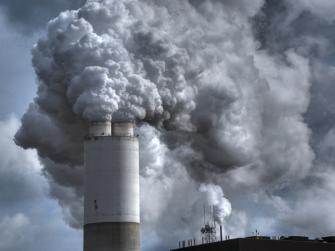
When a power plant burns fossil fuels and emits CO2, that’s bad for the climate. On the other hand, when a community protects a forest, that’s beneficial, as forests absorb vast amounts of CO2.
Carbon markets expose costs and benefits like these. By putting a price on greenhouse gas emissions, carbon markets make it more expensive to pollute and more valuable to keep forests standing.
Carbon markets can also help fund a wide range of other projects that combat climate change, such as supporting renewable energy, conserving various ecosystems and much more.
Do all carbon markets work the same way?
No. There are two main types of carbon markets:
Compliance carbon markets
These are systems where participation is required by law. Rather than choosing whether to join, companies in specific sectors must take part.
Compliance carbon markets often work by putting a cap on emissions from an industry. Regulated companies can buy and sell permits called allowances that let them emit a certain amount under the cap. (This is where the term “cap and trade” comes from.)
Over time, the cap is lowered, ensuring that emissions fall. The market determines how to achieve those reductions at the lowest cost. If a firm can cut pollution cheaply, it does. If it can’t, it buys allowances from someone who can.
Voluntary carbon markets
As the name suggests, voluntary carbon markets are ones where participation is voluntary. Companies, individuals and others choose to take part, typically to compensate for their emissions to meet sustainability goals.
Through voluntary markets, participants can buy carbon credits. Each credit represents greenhouse gas emissions that have been reduced, prevented from being released into the atmosphere — or even removed from the atmosphere.
Credits usually come from specific projects, such as protecting forests, cutting methane emissions, expanding clean energy, supporting cleaner cookstoves and more. In some cases, credits may be issued to reward policies that cut emissions at a larger scale, perhaps at the level of a city or state.
Like any market, voluntary carbon markets only work if people can trust what’s being bought and sold. These markets are still maturing, and in recent years, they’ve faced serious concerns about over-counting of credits and weak oversight. But stronger standards, independent assessments of credits and clearer guidance are raising the bar and building confidence in these markets.
Done well, voluntary carbon markets can be a powerful tool for addressing climate change, sending funding to communities who oversee environmental projects, including Indigenous communities who are among the best guardians of forests.
What parts of the world have carbon markets?
As of 2026, carbon pricing policies — including carbon markets and carbon taxes — cover over a quarter of global greenhouse gas emissions, according to the World Bank.
Here are just a few examples of places where carbon markets are making a difference:
- The world’s largest compliance carbon markets are in Europe (the largest in terms of trading value) and China (the largest in terms of emissions covered).
- The EU market — the European Union Emissions Trading System — has helped cut emissions in half within sectors the market includes.
- China’s carbon market, launched in 2021 with EDF’s support, covers sectors including power generation, steel, cement, and aluminum smelter. China’s market limits pollution based on the intensity of emissions relative to what’s being produced, but the country has plans to shift toward capping emissions outright in some industries.
- In the U.S., California’s carbon market — which EDF helped design — has cut emissions while the state’s economy has thrived. The carbon market there and in Washington are “cap-and-invest” programs, where states auction off carbon allowances and use the proceeds on projects benefiting communities. Both are compliance carbon markets.
- Many countries — Brazil, Costa Rica, Ecuador, Ghana, Guyana and more — are tapping into the power of voluntary carbon markets to conserve nature. With carbon credits, they’re turning the value of standing forests into funds for development. One example? The Indigenous village of Sebai in Guyana used carbon credit revenue to support solar mini-grids that power schools, health centers and offices.
Maximize your impact to reduce pollution and safeguard our health
Give now to defend our planet:
Your gift can help reduce dangerous pollution
Give now to defend our planet: